


As Dr. Sebi so often pointed out: Our food choices are directly linked to the state of our health. Not getting enough of the right kinds of minerals in our diet can lead to an array of symptoms, including hair loss, GI upset, numbness, muscle weakness, and shortness of breath.
Last updated: July 2026
That’s why Dr. Sebi's holistic approach to wellness emphasizes the significance of maintaining a balanced and nutrient-rich diet that aligns with our body's needs. Below, you’ll find a list of the best foods that can safeguard your health against the potential nutrient deficiencies.
What Are the Most Common Nutrient Deficiencies?
As the Centers for Disease Control and Prevention report: “94.3% of the US population do not meet the daily requirement for magnesium and 44.1% for calcium.” And according to the Journal of Preventive Medicine and Hygiene, the most common mineral deficiencies for American adults include:
- Iron
- Iodine
- Calcium
- Magnesium
The best way to avoid becoming nutrient deficient is to consume a balanced diet that emphasize the following foods and their associate nutrients:
The Best Foods to Prevent Nutrient Deficiencies
Foods High in Iron
- Chickpeas
- Kale
- Sesame seeds
- Quinoa
- Wild rice
The type of iron found in plant-based sources (non-heme iron) is better absorbed when paired with alkaline foods naturally rich in vitamin C, such as berries, cherry tomatoes, and burro bananas. Additionally, cooking in cast-iron pans can also increase the iron content of your meals.
Iodine-Rich Foods
- Seaweed and Sea Vegetables: kelp, nori, and wakame
- Sea moss
- Prunes
- Strawberries
It’s important to note that while iodine is essential for thyroid health, excessive consumption of iodine-rich foods or supplements can lead to imbalances.
Foods High in Calcium
- Leafy Greens: kale, arugula, dandelion greens, and watercress
- Sesame seeds
- Nopales
Insufficient calcium intake can lead to a decreased bone mass, increasing the risk of fractures and osteoporosis, as well as disruptions in muscular function and proper nerve communication.
Magnesium-Rich Foods
- Brazil nuts
- Walnuts
- Sesame seeds
- Chickpeas
- Wild rice
- Whole grains: quinoa, kamut, spelt, and teff
- Leafy greens: dandelion greens, turnip greens, and kale
- Avocado
- Burro bananas
- Nopales
- Sea moss
- Sea vegetables
Magnesium plays a role in various bodily functions, including muscle and nerve function, energy production, and bone health. Including a variety of magnesium-rich foods in your diet can help support your magnesium intake.
Support Your Mineral Intake with Dr. Sebi's Products
Beyond a nutrient-rich diet, Dr. Sebi's mineral-focused formulas can help support your body's iron and mineral needs as part of a balanced, alkaline lifestyle. If you're focused on iron and blood wellness, these options are worth exploring:
Recommended Products for Mineral Support
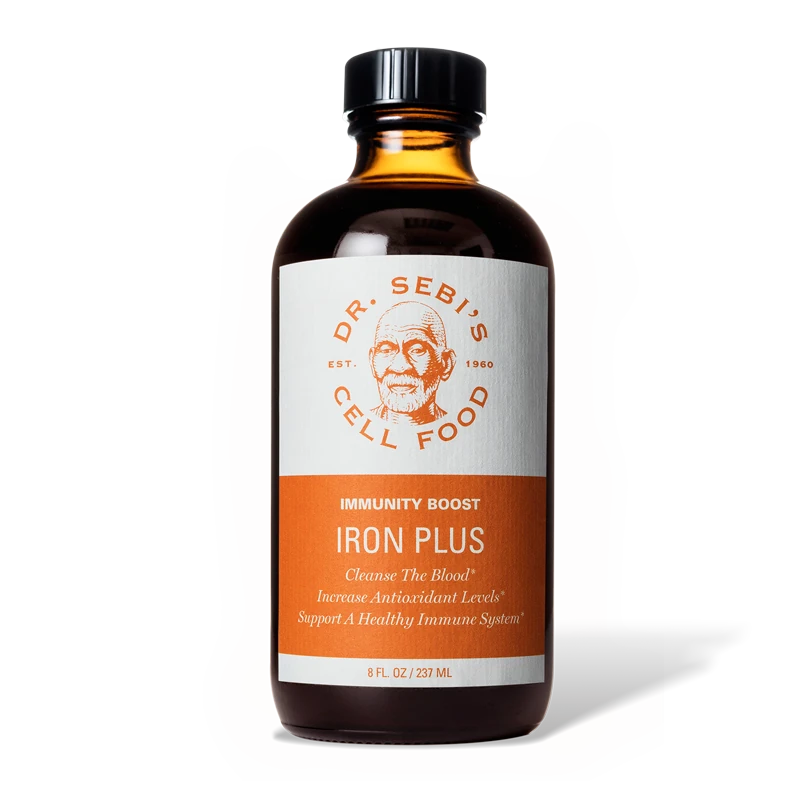
An iron-rich herbal formula traditionally used to support healthy blood and steady energy.*

A convenient capsule form of Dr. Sebi's iron-supporting botanicals for daily mineral support.*

A mineral-dense sea vegetable traditionally valued for its broad spectrum of naturally occurring minerals.*
*These statements have not been evaluated by the Food and Drug Administration. These products are not intended to diagnose, treat, cure, or prevent any disease.
Want to build your plate around the right foods? Explore Dr. Sebi's food list, learn more about the African Bio-Mineral Balance approach, and read our related guides on why Dr. Sebi prioritized iron-rich herbs, iron-rich alkaline foods for fatigue and anemia, and the minerals found in sea moss.
Dr. Sebi's wisdom reminds us that the foundation of our health lies in the choices we make at the dinner table. By acknowledging the alarming statistics on nutrient deficiencies and understanding the significance of minerals like iron, iodine, calcium, and magnesium, we can take proactive steps towards a healthier life. The key is to embrace a well-rounded diet, rich in foods that offer these essential nutrients, while also being mindful of how they interact and complement each other. By nourishing our bodies with these nutrient-packed options, we empower ourselves to fortify our well-being and thrive in harmony with the holistic principles Dr. Sebi so passionately advocated for.


2 comments
Do you recommend any specific Proteins to take since I am eliminating Meat from my diet?You also recommend eating no dairy products. I have also included removing eggs, butter and Almond Milk from my diet. I see what happens when I return to eating certain foods that I have stopped eating for some time and momentarily go back to eating those things I just mentioned, encourages me to remove them from my diet completely. I welcome your recommendations’. I have written down your recommendations and have found them to be highly beneficial after my Visit to my Primary Care Physician on July 12, 2023. She only recommended me to take a Supplement of Vitamin D3! I welcome your suggestions and Wisdom. I also was trained by a Holistic Dr. Who taught me how to eat according to my Blood Type and from looking at your list and his list they are very similar to be honest. I enjoy eating Green Leafy Vegetables. I see that you don’t recommend Broccoli at all!
Thank you for sharing what’s is the best herbs for blood pressure currently on alkaline lifestyle which is great for my well being and look however can’t seem to come off the blood pressure tablets amlophine any advice please