

Last updated: August 2026
If you've been prescribed gabapentin, pregabalin (Lyrica), or duloxetine (Cymbalta) for nerve-related discomfort, you already know the trade-off. These medications can help, but they arrive with a long list of documented side effects — and coming off them is rarely simple. That's why more people are searching for gentler, plant-based ways to support a nervous system under strain.
Blue Vervain is one of the herbs that keeps coming up in that search. It has a deep history in North American herbal tradition and holds a respected place in Dr. Sebi's African Bio-Mineral Balance approach. In this guide, we'll look at what the published research actually shows about vervain, how Dr. Sebi used it, and how it fits into a plant-based routine for calming an overworked nervous system.
The Problem With the Pharmaceutical Route
Gabapentin and pregabalin (Lyrica) are among the most commonly prescribed medications for nerve discomfort, and their side-effect profiles are well documented. Reported effects include drowsiness, dizziness, unsteadiness (ataxia), and swelling in the legs, and both the Mayo Clinic and Cleveland Clinic caution that these medications should never be stopped abruptly because of the risk of withdrawal effects. A published review also examined concerns around mood changes and other central nervous system effects associated with gabapentinoids.
Duloxetine (Cymbalta), another common prescription in this category, carries its own documented discontinuation challenges. None of this means these medications don't have their place — that's a conversation for you and your doctor. But for people who want to support their nervous system naturally alongside (or as a starting point before) pharmaceuticals, understanding the plant-based options matters.
What Is Blue Vervain?
Botanical name: Verbena hastata (Blue Vervain), a close relative of Verbena officinalis (Common Vervain)
Common names: Blue Vervain, American Vervain, Simpler's Joy, Wild Hyssop
Blue Vervain is a tall, slender perennial native to North America, recognizable by its spikes of small blue-purple flowers that bloom through late summer. Native peoples across the eastern woodlands — including Cherokee and Iroquois communities — traditionally used vervain as a calming herb and in purification ceremonies, valuing the aerial parts of the plant for their soothing qualities.
The plant belongs to the Verbena genus, and much of the modern published science has focused on its European cousin, Verbena officinalis. These are related species that share key plant compounds — including the iridoid glycoside verbenalin and the phenylpropanoid verbascoside — so the research on V. officinalis offers useful insight into the genus, which we'll cite honestly below.
Within Dr. Sebi's teachings, Blue Vervain is one of the electric, mineral-rich herbs used to nourish and calm the nervous system. It appears in several of Dr. Sebi's original formulas — most notably Banju, his brain and nervous system blend.
What the Published Research Shows
It's worth being precise here: most peer-reviewed studies on vervain used Verbena officinalis, the European species closely related to the Verbena hastata that grows in North America. We'll note the species in each case so you know exactly what the evidence covers.
Nervous system and calming activity. A 2020 review published in Planta Medica surveyed the pharmacological investigations of Verbena officinalis and catalogued the plant's traditionally described calming and nervous-system-supporting properties, along with the bioactive compounds thought to be responsible.
Anticonvulsant and receptor activity. An animal study published in 2017 (available through PubMed Central) examined aerial parts of Verbena officinalis extract in mice and found anticonvulsant effects, with the researchers reporting involvement of benzodiazepine and opioid receptor pathways. This is animal research, not a human trial — but it points to a plausible mechanism behind vervain's traditional reputation as a nervine herb.
Anti-inflammatory and analgesic support. An earlier study in the Journal of Ethnopharmacology (2006) investigated a topical preparation of Verbena officinalis and documented anti-inflammatory and analgesic activity in laboratory testing.
Taken together, this is early-stage but consistent evidence — mostly laboratory and animal research — that aligns with how vervain has been used traditionally for generations. Robust human clinical trials on vervain are still limited, so we frame these findings as supportive rather than conclusive.
How Dr. Sebi Used Blue Vervain
Dr. Sebi taught that many modern complaints trace back to an over-acidic internal environment and a nervous system worn down by stress. He turned to electric, mineral-dense herbs to nourish the body and restore balance — and Blue Vervain was one of his go-to nervine herbs.
He featured it in Banju, his brain and nervous system formula, where it works alongside other approved herbs to support mental clarity and a calmer nervous system. In keeping with the African Bio-Mineral Balance philosophy, the goal was never to sedate or suppress — it was to feed the body the minerals and plant compounds it needs so the nervous system can settle on its own.
Each herb Dr. Sebi selected supports the body on its own terms, and works with even greater synergy inside his carefully formulated products.
Alkaline Foods That Support a Calm Nervous System
Herbs work best alongside a nourishing, alkaline-electric diet. Dr. Sebi's Nutritional Guide emphasizes mineral-rich, plant-based foods that support the nervous system — including leafy greens like watercress and dandelion, sea vegetables, walnuts, and hydrating fruits. Magnesium- and potassium-rich foods from Dr. Sebi's food list are especially valuable, since these minerals play a role in healthy nerve signaling.
Staying well hydrated with natural spring water and reducing acidic, processed foods gives the body the foundation it needs for the herbs to do their work.
Recommended Products for Nervous System Support
Blue Vervain in Dr. Sebi's Formulas

Banju — Brain & Nervous System Support
Dr. Sebi's original nervous system formula, featuring Blue Vervain alongside other approved herbs to support mental clarity and a calmer, more balanced nervous system.*
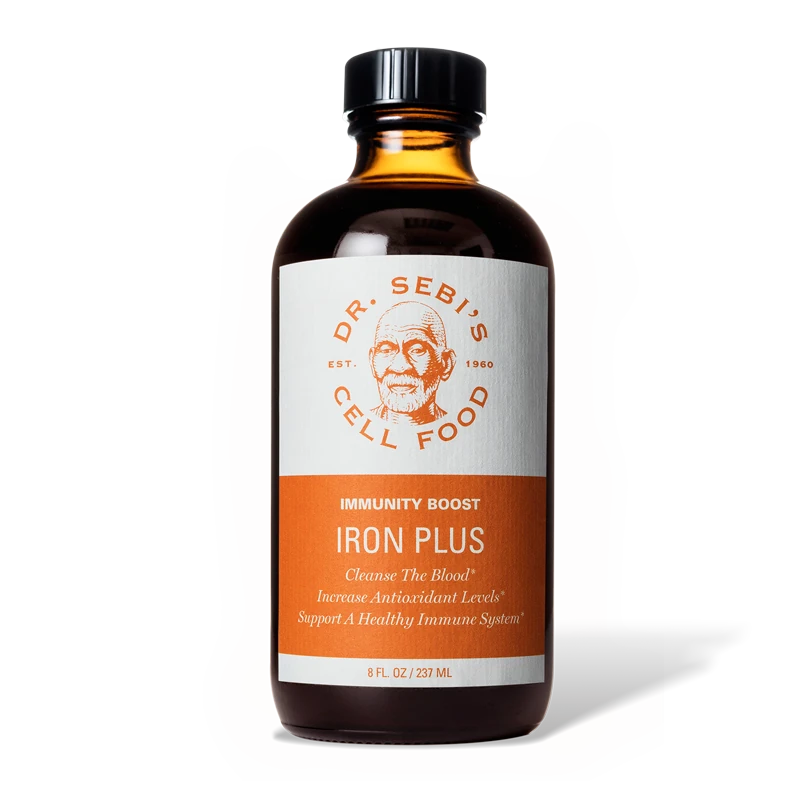
Iron Plus
A wildcrafted herbal tonic that includes Blue Vervain along with Elderberry and other electric herbs, supporting overall vitality and the body's mineral balance.*

Green Food Plus
A mineral-rich green blend that complements a calming herbal routine by supporting the body's overall alkaline-electric foundation.*
*These statements have not been evaluated by the Food and Drug Administration. These products are not intended to diagnose, treat, cure, or prevent any disease.
A Simple Daily Framework
Supporting your nervous system naturally is about consistency, not intensity. A gentle daily rhythm might look like this:
- Morning: Start hydrated with spring water and a mineral-rich green smoothie or a serving of Green Food Plus.
- Throughout the day: Favor alkaline, plant-based meals from Dr. Sebi's approved foods and limit processed, acidic items.
- Evening: Incorporate Blue Vervain through a formula like Banju as part of a wind-down routine, paired with reduced screen time and calm breathing.
What You May Notice
Everyone's body responds differently, and herbs work gradually rather than overnight. Over several weeks of consistent use alongside a nourishing diet, some people report feeling more settled, sleeping more restfully, and handling everyday stress with a bit more ease. These are general observations from traditional use — not guaranteed outcomes.
Common Mistakes to Avoid
- Expecting instant results. Herbal support builds over time. Give any new routine several weeks.
- Skipping the diet piece. Herbs support an alkaline foundation — they can't replace one. The food matters.
- Stopping prescribed medication on your own. Never discontinue gabapentin, Lyrica, Cymbalta, or any prescription abruptly. Always work with your healthcare provider.
When to Seek Professional Care
Blue Vervain and Dr. Sebi's herbal approach are meant to support your wellness journey, not replace medical care. If you're experiencing persistent or worsening nerve discomfort, numbness, or any concerning symptoms, consult a qualified healthcare provider. And if you take prescription medications — especially anything affecting the nervous system — talk with your doctor before adding new herbs.
Frequently Asked Questions
Is Blue Vervain the same as the vervain in the research studies?
Not exactly. Most published studies used Verbena officinalis (Common Vervain), while Dr. Sebi's Blue Vervain is the closely related North American species Verbena hastata. The two share key plant compounds, so the research offers helpful insight into the genus, but we're always transparent about which species a study examined.
How does Blue Vervain support the nervous system?
Traditionally, vervain has been valued as a nervine — an herb used to calm and nourish the nerves. Laboratory and animal research on Verbena officinalis has documented calming and anti-inflammatory activity, with one animal study pointing to benzodiazepine and opioid receptor pathways. Human clinical evidence is still limited, so vervain is best viewed as gentle, supportive care.
Which Dr. Sebi product contains Blue Vervain?
Blue Vervain is a featured herb in Banju, Dr. Sebi's brain and nervous system formula, and it's also part of the Iron Plus tonic, and Green Food Plus.
Can I take Blue Vervain with my prescription medication?
Talk to your doctor first. Because vervain may have calming effects, it's especially important to check with your healthcare provider if you take sedatives or any medication that affects the nervous system.
How long does it take to notice a difference?
Herbs work gradually. Most people give a new herbal routine several weeks of consistent use, paired with an alkaline, plant-based diet, before evaluating how they feel.
This article is for educational purposes only and is not intended as medical advice. Always consult with a qualified healthcare provider before making changes to your health regimen. The statements in this article have not been evaluated by the FDA. Our products are not intended to diagnose, treat, cure, or prevent any disease.


