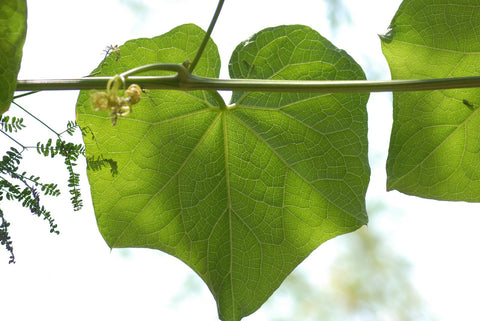
Chayote Squash

Why Chayote Squash Deserves Your Attention

Reviewed by Pablo Medina, Herbalist

Hey people!

Mwaka here again with a special recommendation. Scouring the internet this tail end of the year has brought me to so many ‘veggie of the month’ guides. My favorite was the October veggie of the month, our traditional winter squash.

Although delicious, I got too overexcited and overdid it for my three-year-old boss and myself. If you have leftover squash or are thinking of getting some from the grocery store, there’s something for everyone, whether you are a soup, salad, or smoothie lover.

The Perfect Alternative: Chayote Squash!

If I had a dollar for every time my son said, ‘not again’, after I served his meal, I’d have retired to the Maldives. Since we had both had enough squash to last us a lifetime, I turned back to my good old friend, the internet, and I found my pot of gold.

The Chayote Squash, your not-so-traditional veggie, is one you should not be too quick to judge. The question running through your mind is:


Chayote Squash


What is a Chayote Squash? 

Like all foods in Dr. Sebi’s Nutritional Guide, this vegetable is alkaline. Originally from Mexico and Central America, the thing that captures my heart about this squash is its versatility. Every part of the plant is edible, both cooked and raw!

Also referred to as Choko, let’s paint a picture of our veggie of the day:

  • Skin Color: Light green to dark green
  • Inner flesh: Pale green with some white
  • Shape: Pear-shaped with lumps. 
  • Taste: Mild enabling it to accommodate spicy and strong-flavored dishes. 
  • Texture: Crunchy and succulent and great as a raw dessert.

If Mr. Potato Head and cucumber had a baby, that would be a close description of the Chayote Squash. Read on to find out why the Chayote deserves to be the star of your dish.


Why Does The Chayote Deserve The Spotlight?

The all-you-can-eat plant consists of flowers, leaves, stems, and fruits. What are the benefits of Chayote Squash?

  • It has antioxidant properties: myricetin, kaempferol, quercetin, and morin antioxidants reduce inflammation in the body. Research has confirmed that myricetin, highest in Chayote, has anti-diabetic properties.
  • Promotes liver health: Chayote contains properties that promote the function of the enzyme responsible for fat metabolism, lowering cholesterol, thus reducing the risk of fatty liver disease.
  • Slows down aging: antioxidant properties of chayote prevent inflammation and damage of skin cells, slowing down the aging process.
  • Helps with blood sugar control: Chayote is rich in soluble fiber and low in carbs slowing down the breakdown of food and reducing blood sugar. It also promotes insulin sensitivity. 
  • Promotes heart health: The high fiber content and presence of antioxidants in Chayote reduce the risk of heart disease by regulating blood pressure, promoting blood flow, and lowering cholesterol.
  • It has some antibiotic properties: Chayote leaves treat colds, indigestion, coughs, and kidney stones.
  • Promote healthy progression of pregnancy: Folic acid in Chayote is necessary for pregnant women for fetal brain development and preventing premature labor.

You now know the benefits of Choko, and you're ready to go grocery shopping. But how will you tell which one is ready for use?


Chayote Squash

How To Choose A Good Chayote Squash

If you shop for bell peppers as often as I do, this will be a walk in the park. Reach out for the firm, blemish-free Chayotes with an even color: not too dark preferably light green.

A Chayote with a lighter shade of green is the best, though you will find dark green to white ones in your pile. A white chayote is overripe, while a multicolored one is aging, and it is best to avoid it.

In this case, bigger isn’t always better! A large squash is usually tasteless, while a smaller one is younger and bursting with flavor.

You now know what chayote is, the benefits of adding one to your diet, and how to pick one. What’s left is learning ways to incorporate it into your everyday meals, and you may make it to your top 10 alkaline foods.


How Can You Incorporate It To Your Diet?

Chayote, a summer squash, is typically available from June through September. There are multiple ways to eat it: raw, baked, sauteed, or boiled. Here are various ways to enjoy it:

  • Dessert
  • Pickled
  • Baked
  • Pureed
  • Chayote noodles
  • Salad or Slaw

Although you can eat the peels of younger squash, sometimes the skin may be tough, and peeling becomes necessary. Put on a pair of gloves before peeling since the chayote peel releases juices that can irritate your skin.

4 Chayote Squash Recipes For You And Your Family To Enjoy

1. For Soup Lovers

I am a big fan of soups, even on a hot day! The creamier, the better. The issue is: although everyone else in my household isn’t, I am lactose intolerant. So we need to find a delicious soup recipe that doesn’t require milk or cream added to be creamy. This is it!

For this recipe, peel the skin if it is too hard. If not, leave the skin on to reap the full nutritional benefits.

Ingredients

  • 1 Chayote Squash 
  • 1 tablespoon avocado oil
  • 1 small onion chopped
  • 1 tablespoon cayenne pepper
  • A pinch of sea salt
  • A cup of spring water

Instructions

  1. In a saucepan, heat avocado oil, and add your onions. Cook on medium heat until soft.
  2. Peel your chayote if the skin is tough. If not, chop it into smaller pieces with the skin on.
  3. Add the chayotes into the saucepan and cook while stirring for 6 minutes.
  4. Add your cayenne pepper, salt, and water, then boil. 
  5. Turn off the heat and cool. Once cool, blend to desired consistency.
  6. Place it back into the saucepan and reheat. Adjust your seasoning to fit your taste.
  7. Serve while still hot

2. Dr. Sebi’s Spicy Sesame Squash

You try this out for a creamy, succulent, and tender textured dish infused with rich flavors and buttery tones.

Ingredients

  • 1 Chayote medium squash
  • 4 tablespoons sesame seeds
  • Pinch of sea salt and cayenne pepper
  • 2 tablespoons sesame oil

Instructions

  1. Cut the unpeeled chayote squash into small cubes of approximately 1 cm.
  2. Season with a pinch of salt and cayenne pepper.
  3. Sauté on low heat in sesame oil for about 15 minutes, until golden brown.
  4. Toast sesame seeds in a hot 'dry' frying pan until they start to 'pop'.
  5. Take off the heat and sprinkle seeds over the squash before serving.
  6. Serve as a side to baked avocado with salsa

3. Chayote Noodles In Tomato Sauce

The perfect alternative to pasta, nothing beats a bowl of chayote noodles in tomato sauce for lunch. The best part is these are easier to spiralize than a zucchini. Let's get spiraling.

Spiralize your chayote by centering it on the blade, the teeth will hold it down and spiral away.

Ingredients

  • 2 Chayotes
  • 6 plum tomatoes, thickly sliced
  • 2 tablespoons and approved oil
  • 1 teaspoon dry oregano
  • ½ teaspoon dry thyme
  • Sea salt and cayenne pepper to taste
  • 1 tablespoon key lime juice

Instructions

  1. Spiralize your chayote with a spiralizer using blade C and place it aside.
  2. Add your tomatoes, salt, approved oil, and key lime juice into a high-speed blender and pulse until you get a sauce.
  3. Add your tomato sauce, dried oregano, cayenne pepper, and thyme to a saucepan, and cook over medium heat.
  4. Once the sauce starts bubbling, add your noodles and toss them to combine with the sauce. Cook for 5 minutes while tossing occasionally.
  5. Serve in a bowl while hot.

4. Pickled Chayote Squash

Chayote-What? Yes, you read that right. Chayote Pickles. Their mild flavor and high water content make them a perfect fit for this recipe since they suck up brine like a sponge.


Ingredients

  • 1 Chayote, thinly sliced
  • 2 medium onions, cut into rings.
  • 10 key limes 
  • 1 cup spring water
  • Sea Salt to taste
  • 2 tablespoons cayenne pepper
  • 2 tablespoons date sugar

Instruction 

  1. Slice your key limes, and extract juice from them. Add more key limes if you prefer a more tangy taste.
  2. In a pan, add your key lime juice, sliced onions, spring water, salt, and sugar to taste, and cayenne pepper and boil.
  3. Stir the mixture and turn off the heat.
  4. Add your Chayotes into the mixture and cover with a lid. Let it cool.
  5. Once cooled, place in a sterilized mason jar, and refrigerate for 1 to 4 days. The timeline depends on how sour you want your pickles.
  6. Keep refrigerated.
  7. Serve as a snack from your jar.


Chayote Squash


How to Store Your Chayote

Store your Chayote at room temperature only for a few days. Keep in a cool, dry, and dark place. When refrigerated, it will last longer, but it is best used within a week. For a longer shelf life, store them frozen. The best way to ensure they are for months is to pickle them or blanch then bake them before freezing them.

There you have it, your guide on Chayote squash. Remember, every part of Chayote is edible whether raw or cooked. Be careful while peeling and cutting a Chayote Squash because it can leak sap that will irritate your skin. Oh, and there’s no better way than the alkaline way!

We are glad you were enticed by our recipes. Let us know which one you’d like to try out and rate how good it is on a scale of 1 to 10. You can also tell us fun facts about Chayotes, and how you make yours. Where can you do all this? In the comments, of course!

Until next time,

Stay healthy.

Mwaka

4 comments

Thank you very much for sharing I will definitely look forward to eat chayote in the future 🙏

Mis

It was nice reading your recipes
I was indeed educated.

Thanks for the recipes. Got to know new ways of eating chayote.

Thanks for sharing I experience using chayote for eleven months during my stay in Central America my health improved greatly.

Joyce Duncan

I would like to know what I can use on my face to get rid of age spots.

Janice D Berry

Leave a comment

Please note, comments need to be approved before they are published.

Related Journal


Natural Weight Management: Dr. Sebi's Alkaline Approach to Finding Balance

Last updated: April 2026 Understanding Weight Management — Beyond Calories In, Calories Out The conventional approach to weight management focuses...

Natural Joint Health Support: Dr. Sebi's Alkaline Approach to Mobility & Comfort

Understanding Joint Discomfort — And What Your Body May Be Telling You Joint stiffness, swelling, and discomfort affect millions of...

Eczema Relief the Alkaline Way: Dr. Sebi's Inside-Out Approach to Skin Health

Dr. Sebi taught that eczema starts from within. Learn his alkaline approach to skin health — foods, herbs, and products...

High Cholesterol: Dr. Sebi's Alkaline Approach to Cardiovascular Wellness

Explore Dr. Sebi's perspective on cholesterol — how alkaline foods, blood-cleansing herbs, and mineral support can complement your heart health...

Dr. Sebi's Natural Approach to Parasites: Cleansing From the Inside Out

Learn Dr. Sebi's alkaline approach to parasite cleansing — herbs, approved foods, and products that support your body's natural ability...

"Dr. Sebi Red Gummies" — What They Really Are (And What Dr. Sebi Actually Recommended)

There Are No "Dr. Sebi Red Gummies." Here's the Truth. If you've seen videos on TikTok or Facebook claiming a...

Dr. Sebi 30-Day Meal Plan: Your Complete Alkaline Reset Guide

A complete 30-day alkaline meal plan based on Dr. Sebi's Nutritional Guide — with day-by-day meals, shopping lists, prep tips,...

Digestive Health the Alkaline Way: Dr. Sebi's Approach to a Healthier Gut

Why Digestive Health Matters More Than You Think Your digestive system does far more than break down food — it...

Respiratory Health the Alkaline Way: Dr. Sebi's Approach to Breathing Easy

Written by Dr. Sebi's Editorial Team | Reviewed by Pablo Medina, Herbalist Why Respiratory Health Matters More Than You Think...

Bloating & Digestive Discomfort: Dr. Sebi's Alkaline Approach

Discover Dr. Sebi's alkaline approach to bloating and digestive discomfort. Learn how mucus buildup affects digestion and which herbs and...

Understanding Inflammation: Dr. Sebi's Alkaline Approach to Soothing the Body Naturally

Written by Dr. Sebi's Editorial Team | Reviewed by Pablo Medina, Herbalist Inflammation has become one of the most discussed...

Natural Blood Pressure Support: Dr. Sebi's Alkaline Approach to Cardiovascular Wellness

Nearly half of all adults have blood pressure readings above the healthy range — and many don't even know it....

Natural Detox Support: Dr. Sebi's Alkaline Approach to Cleansing

Understanding the Need for Natural Detox Support Every day, your body works tirelessly to process and eliminate the substances it...

Natural Anemia Support: Dr. Sebi's Alkaline Approach to Iron and Blood Wellness

Feeling tired no matter how much rest you get? Struggling with persistent fatigue, pale skin, or shortness of breath during...

Natural Hormonal Balance for Women: Dr. Sebi's Alkaline Approach

Last updated: March 2026 Understanding Hormonal Balance: A Woman's Foundation for Wellness Hormonal balance is at the center of women's...

Natural Prostate Health Support: Dr. Sebi's Alkaline Approach

Last updated: March 2026 Understanding Prostate Health: Why It Matters for Every Man The prostate is a small but significant...

Dr. Sebi's Approach to Acid Reflux and GERD — Natural Relief Through Alkaline Living

Last updated: March 2026 If you've ever felt that burning sensation creeping up your chest after a meal, you know...

Understanding Your Menstrual Cycle: A Natural Wellness Guide

I. Embracing Your Cycle as a Wellness Indicator The menstrual cycle is far more than just a monthly event; it...

Easy Weekly Meal Planning for Busy Individuals: A Dr. Sebi-Inspired Approach

In today's fast-paced world, the demands of work, family, and personal commitments often leave little time for thoughtful meal preparation....

How Alkaline Nutrition Supports Weight Loss and Blood Sugar Balance

In the pursuit of optimal health, many individuals seek sustainable strategies for weight management and blood sugar regulation. While conventional...

PCOS Relief: Herbal and Nutritional Remedies That Work

1. PCOS Is a Metabolic and Hormonal Imbalance—Not a “Reproductive Issue” Alone Polycystic Ovary Syndrome (PCOS) is often labeled strictly...

Why Sleep Suffers in Winter—and How to Fix It

As the days grow shorter and the nights lengthen, many individuals find their sleep patterns disrupted, leading to a pervasive...

Natural Ways to Improve Fertility: What Actually Helps?

1. Fertility Reflects the Internal Environment, Not Just the Reproductive Organs Fertility is often misunderstood as a function of only...

Holistic Approaches to Hormonal Balance and Reproductive Health

1. Hormones Follow the State of the Blood, Nerves, and Minerals In the holistic model—especially in Dr. Sebi’s alkaline philosophy—hormones...

How to Tell If Your Body Is Too Acidic: Signs & Symptoms

In the alkaline perspective, most modern discomforts trace back to cellular congestion—acid waste and mucus slowing the body’s electrical flow....

What to Eat Post-Detox to Maintain an Alkaline Balance

1. Why Post-Detox Nutrition Is the Most Important Phase A detox gives your body a chance to reset, but the...

What Are the Most Common Mistakes on the Alkaline Diet?

Alkaline living is simple in theory—remove acidic, mucus‑forming foods and emphasize living, mineral‑rich plants. In practice, a few predictable pitfalls...

Alkaline Foods for Energy: Boosting Vitality Without Caffeine or Sugar

If you’re seeking energy without relying on caffeine or sugar, you’ve come to the right place. Energy is more than...

Natural Remedies for Supporting the Female Reproductive System

1. Why Reproductive Health Begins With the Blood and Nervous System In natural medicine—and particularly in Dr. Sebi’s alkaline framework—the...

Best Alkaline Foods to Support Detox After the Holidays

Last updated: March 2026 The holidays often bring joy, celebration, and—let’s be honest—indulgence. Heavier meals, late nights, alcohol, and stress...

Fertility & Reproductive Health: Alkaline Foods That Support Vitality

Fertility and reproductive health are deeply intertwined with overall well-being. An alkaline diet rich in nutritious foods can play a...

Kidney & Liver Health: How Dr. Sebi’s Herbs Support Your Body’s Filters

The health of your kidneys and liver is pivotal for overall well-being, as these organs perform essential tasks like filtering...

How to Build an Alkaline Morning Routine for Energy and Focus

Mornings set your chemistry for the day. In the alkaline lifestyle, the goal is simple: hydrate, remineralize, oxygenate, and calm...

The Role of Alkaline Foods in Supporting Hormone Balance for Men

In Dr. Sebi’s approach, men’s vitality is less about chasing hormones and more about restoring electrical balance: clean blood, mineral-rich cells,...

Can You Follow Dr. Sebi’s Diet While Traveling?

Staying committed to the alkaline lifestyle at home is one thing—but what happens when you hit the road? Airports, hotels,...

Common Detox Reactions and How to Manage Them Naturally

If you’ve ever begun a cleanse or shifted to an alkaline lifestyle and suddenly felt tired, headachy, or even moody,...

What to Expect When Transitioning to an Alkaline Lifestyle

Switching to an alkaline lifestyle is not just a diet change—it’s a complete recalibration of how your body, mind, and energy...

The Role of Alkaline Foods in Supporting Healthy Skin Aging

As we age, our skin tells the story of how we’ve lived—our nourishment, rest, stress, and exposure to the elements....

How to Stock an Alkaline Kitchen: Pantry Essentials and Tips

A healing lifestyle begins not at the table, but in the kitchen. The foods we keep within reach shape how...

What’s the Difference Between Wildcrafted and Cultivated Herbs?

When it comes to herbal healing, not all plants are created equal. Two labels you’ll often see on herbal products...

Best Herbs for Supporting Men’s Health and Vitality

In traditional healing systems across Africa, the Caribbean, and the Americas, men’s health was never about isolated organs or hormones—it...

Which Herbs Naturally Support Sleep and Relaxation?

In a world that moves too fast, rest has become a luxury. Many people struggle to fall asleep, stay asleep,...

The Connection Between Alkaline Eating and Healthy Weight Maintenance

Weight management is one of the most misunderstood topics in modern nutrition. Countless diets promise fast results through restriction, calorie...

How to Transition Away From Processed Foods Using an Alkaline Approach

For most people today, processed food isn’t an occasional indulgence—it’s a daily habit. From breakfast cereals and snack bars to...

Best Alkaline Foods and Herbs for Circulation and Healthy Blood Flow

Circulation is life. Every beat of the heart delivers oxygen, minerals, and energy through 60,000 miles of blood vessels that...

How to Use Alkaline Herbs to Support a Healthy Immune Response

The immune system is the body’s guardian—constantly defending against pathogens, toxins, and environmental stress. Yet in the modern world, this...

What Are the Safest Herbs for Daily Use?

Herbs have been used for centuries to nourish, heal, and maintain the body’s balance. In Dr. Sebi’s approach to wellness,...

The Link Between Alkaline Nutrition and Emotional Wellbeing

The connection between what we eat and how we feel is undeniable. Most people think of food only in terms...

Natural Herbs and Foods That Support Eye Health and Vision

Natural herbs and foods that support eye health and vision. Dr. Sebi's alkaline approach to nourishing your eyes with mineral-rich...

7-Day Alkaline Meal Plan — Breakfast, Lunch & Dinner Using Dr. Sebi's Approved Foods

You searched for an alkaline meal plan. Here's a real one — 7 full days of breakfast, lunch, dinner, and...